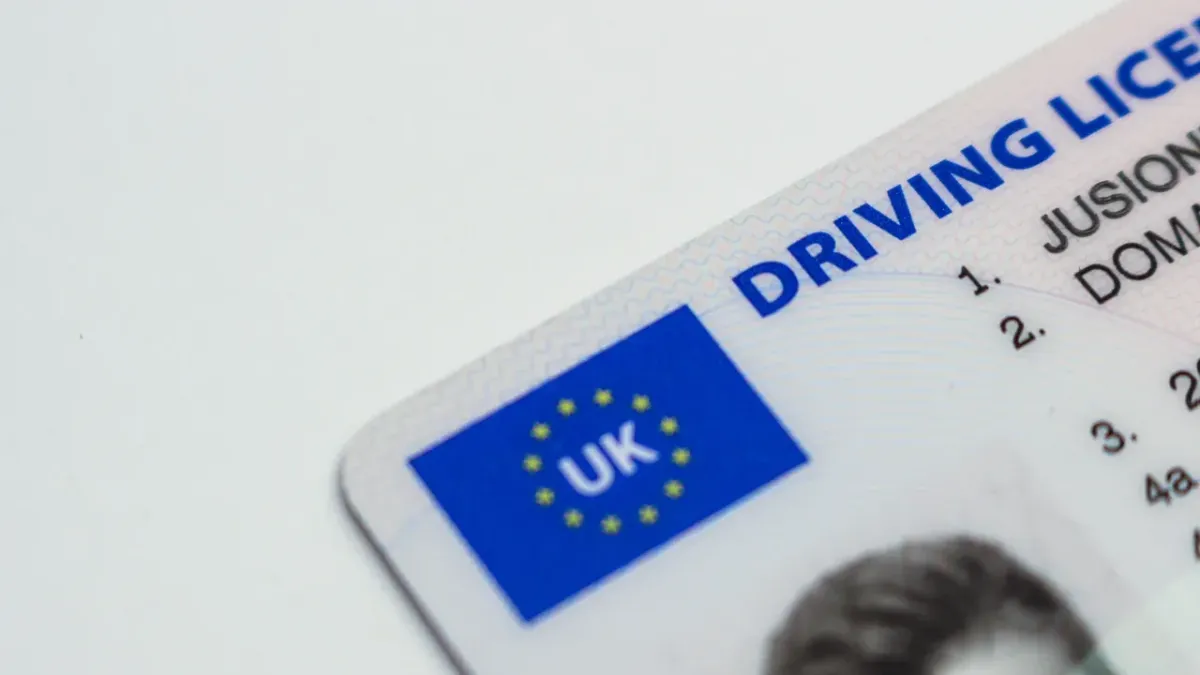
Millions of drivers in Austria are facing a deadline to modernize their credentials as the country prepares for a transition to the current EU card format. Under existing regulations, all driver's licenses issued before January 19, 2013, must be converted by January 19, 2033. Unlike some neighboring countries, Austria has not implemented a staggered exchange schedule based on birth years. While the physical documents remain valid until the 2033 deadline—provided the photo is recognizable and details are legible—the exchange is purely administrative, meaning drivers will not lose their actual driving authorizations during the process.
Stricter Penalties for Exam Fraud
Significant changes to the Driving License Act took effect on September 1, 2026, through the 23rd amendment. The new rules take a harder line on academic integrity; individuals caught cheating during theoretical exams now face an 18-month ban before they can attempt the test again, doubling the previous nine-month penalty. Furthermore, authorities can now punish those who organize or execute technical fraud during examinations. Conversely, the law has become more flexible for those who fail fairly, allowing a retake after 12 days instead of 14, though this shortened window does not apply to class AM licenses.
Extended Validity and New Weight Limits
The amendment also introduces practical relief for license holders. Drivers who lose their license or have it stolen can now drive for eight weeks with official confirmation, up from the previous four-week limit. For truck and bus drivers (classes C and D), the two-year renewal limit previously required after age 60 has been abolished, returning to the regular five-year validity period. Additionally, international driver's licenses issued under the Vienna Convention are now valid for three years, though a one-year limit still applies to states under older agreements.
Looking ahead, the scope of the class B license is set to expand. Starting November 26, 2027, drivers may be permitted to operate certain alternatively powered vehicles weighing up to 4,250 kilograms, provided specific conditions are met. This change is targeted and will not apply to all electric cars. By November 2028, a new option for accompanied driving from age 17 will be introduced, supplementing Austria's existing L17 model.
The Shift to Digital Documentation
The future of driving credentials will be increasingly digital. By the end of 2030, a uniform digital EU driver's license is expected to be available. This digital version will be accessible via smartphone and recognized across all member states. For those who prefer physical documentation, the classic card-format license will remain an available option alongside the digital alternative.