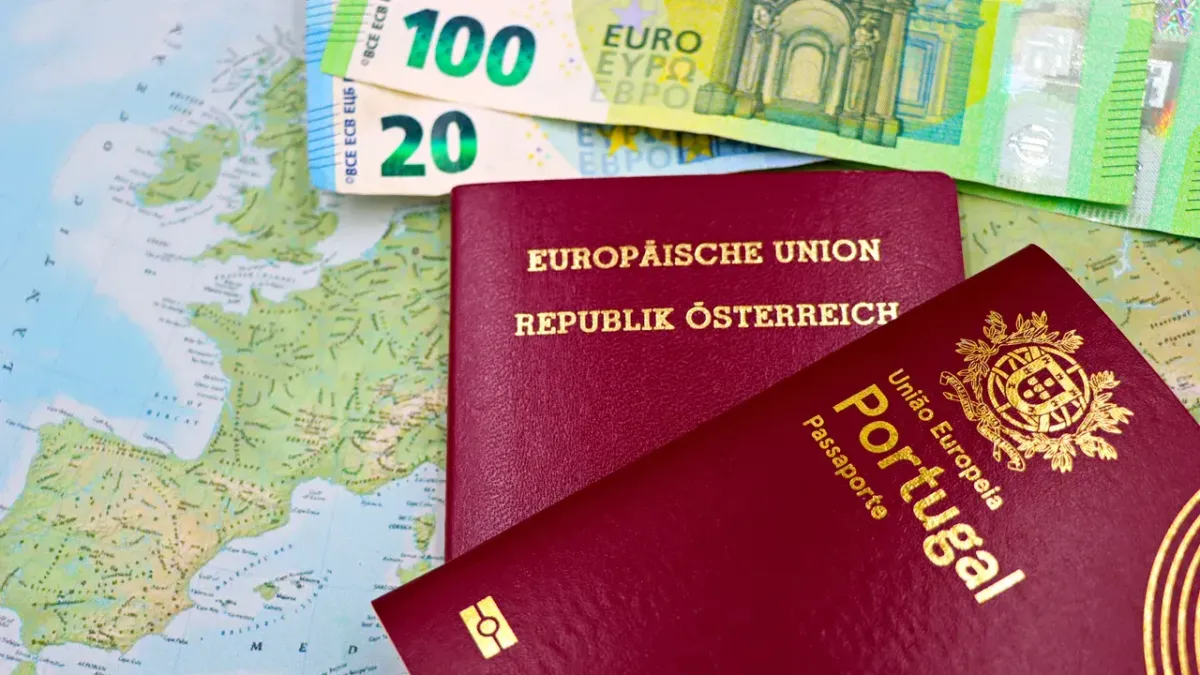
The European Union is introducing a uniform limit on cash payments to combat money laundering and organized crime. Starting July 10, 2027, a maximum limit of 10,000 euros will apply to cash transactions across all member states. This regulation targets business-related commerce, meaning the cap applies to any transaction involving at least one business entity.
Stricter rules for high-value goods
To prevent evasion of the new rules, the regulation explicitly prohibits splitting a single invoice into multiple smaller cash payments. Additionally, the EU is tightening oversight on luxury goods. Dealers in sectors such as gold, jewelry, and luxury watches will be required to record the personal identification of customers for any cash transactions starting at 3,000 euros. Banks will also continue their role in financial monitoring by requiring proof of origin for cash deposits that exceed specific thresholds.
Exemptions for private sales
While the new law impacts commercial trade, it does not restrict how private citizens exchange money among themselves. Transactions conducted exclusively between private individuals remain exempt from the 10,000 euro limit. These measures represent a coordinated effort to harmonize financial oversight across the bloc while maintaining a distinction between professional commerce and private peer-to-peer exchanges.