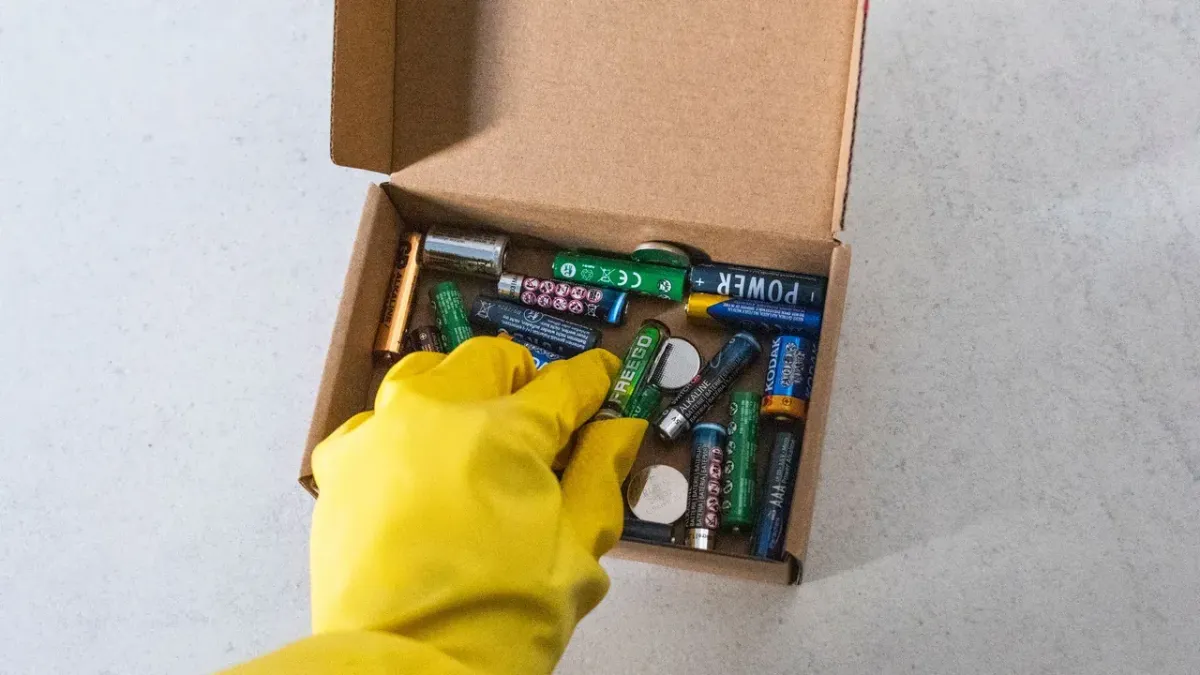
Approximately 41 million laptops across the European Union are at risk of becoming electronic waste due to strict hardware requirements for Windows 11. As Microsoft ends regular support for Windows 10, millions of devices that remain functional but incompatible with the new operating system face obsolescence. In Austria alone, a study by Fraunhofer Austria identifies roughly 690,000 computers affected by this compatibility gap.
While extended security updates for Windows 10 remain available until October 12, 2027, the scale of the transition is significant. Data shows that as of January 1, 2026, there were 74 million Windows 10 devices in use across the 27 EU member states. Projections suggest that 41 million of these devices will still be running the older operating system beyond October 2026, highlighting a massive hardware surplus that cannot officially upgrade.
A Cloud-Based Alternative to Landfills
To address this looming environmental challenge, Google has partnered with the refurbished electronics retailer Refurbed to promote ChromeOS Flex. This cloud-based operating system is designed to run on older PCs and Macs that no longer meet Windows specifications. Because ChromeOS Flex has lower hardware requirements and includes automatic security updates, it offers a secondary life for aging machines.
The software is available as a free download, and Google provides a compatibility check to help users determine if their specific hardware can support the transition. For those who prefer physical media, Refurbed is offering a USB stick containing the installer for a three-euro shipping fee.
Environmental Gains Through Extended Use
The potential environmental impact of keeping these devices in service is substantial. According to Paul Rudorf, a study author at Fraunhofer Austria, extending the usage period of devices in the EU by just one year could prevent 1,172 tons of electronic waste and save approximately 320,000 tons of CO2 emissions. Within Austria, that same one-year extension would avoid 20 tons of waste and save 5,381 tons of CO2.
Kilian Kaminski, co-founder of Refurbed, views the cooperation as a way to mitigate the hardware waste crisis triggered by software shifts. By pivoting to lightweight operating systems, millions of users may be able to delay hardware replacements while maintaining secure, functional devices.